
Demo Wizard is the Ultimate Store Sampling & Demonstration management software for Brick and Mortar Retailers and CPG Vendors.
Chat with us

Phone
Copyright © 2026 Demo Wizard
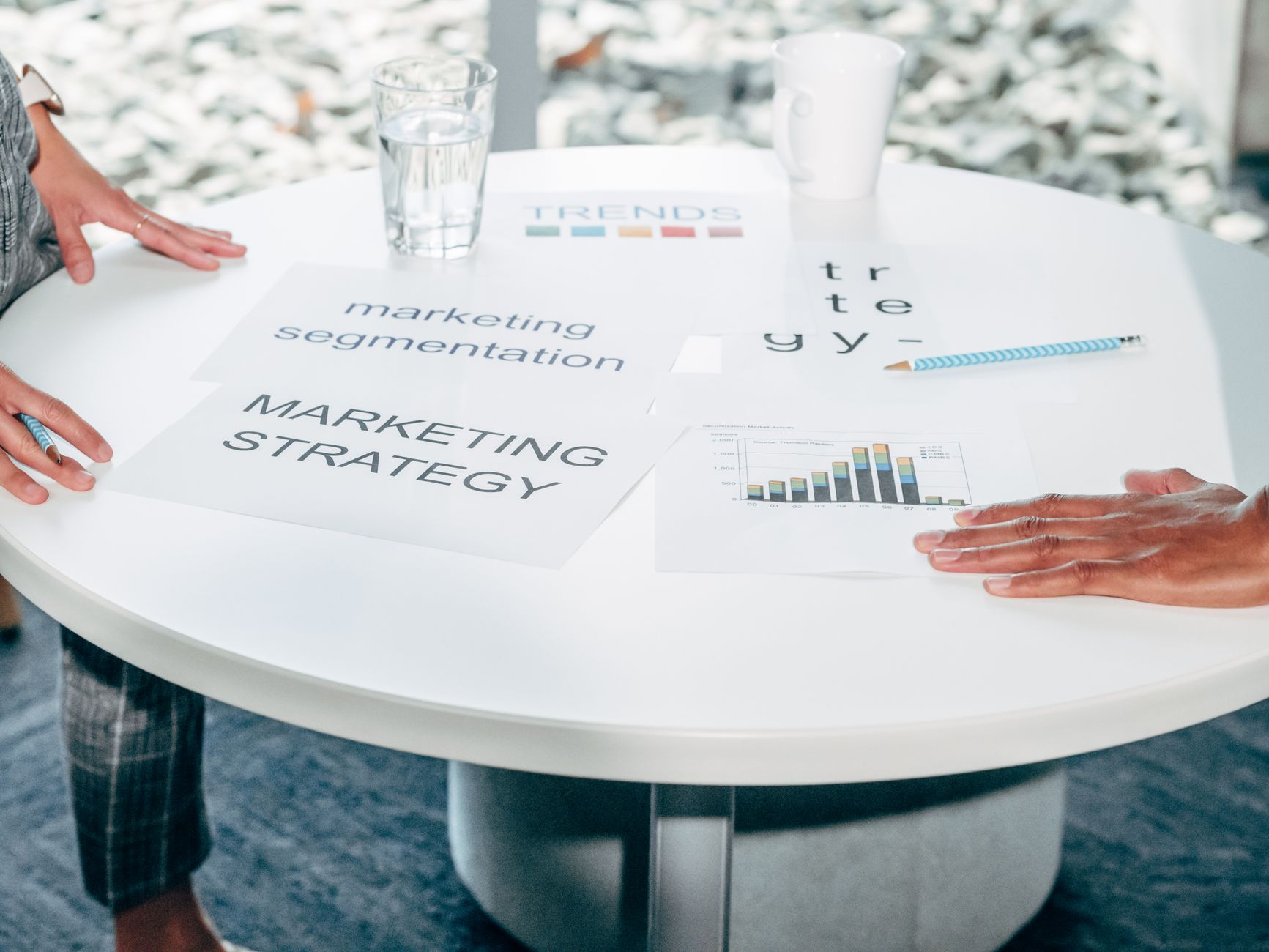
Brand activation management is the process of planning, coordinating, executing, and measuring campaigns that turn passive brand awareness into direct consumer action. Unlike traditional advertising, which broadcasts a message, brand activation puts the product in front of people through experiences, in-store demonstrations, sampling events, and live engagements, and tracks whether those moments actually drive purchase. Effective brand activation management ties every activation touchpoint to measurable outcomes, from sales lift to repeat purchase.
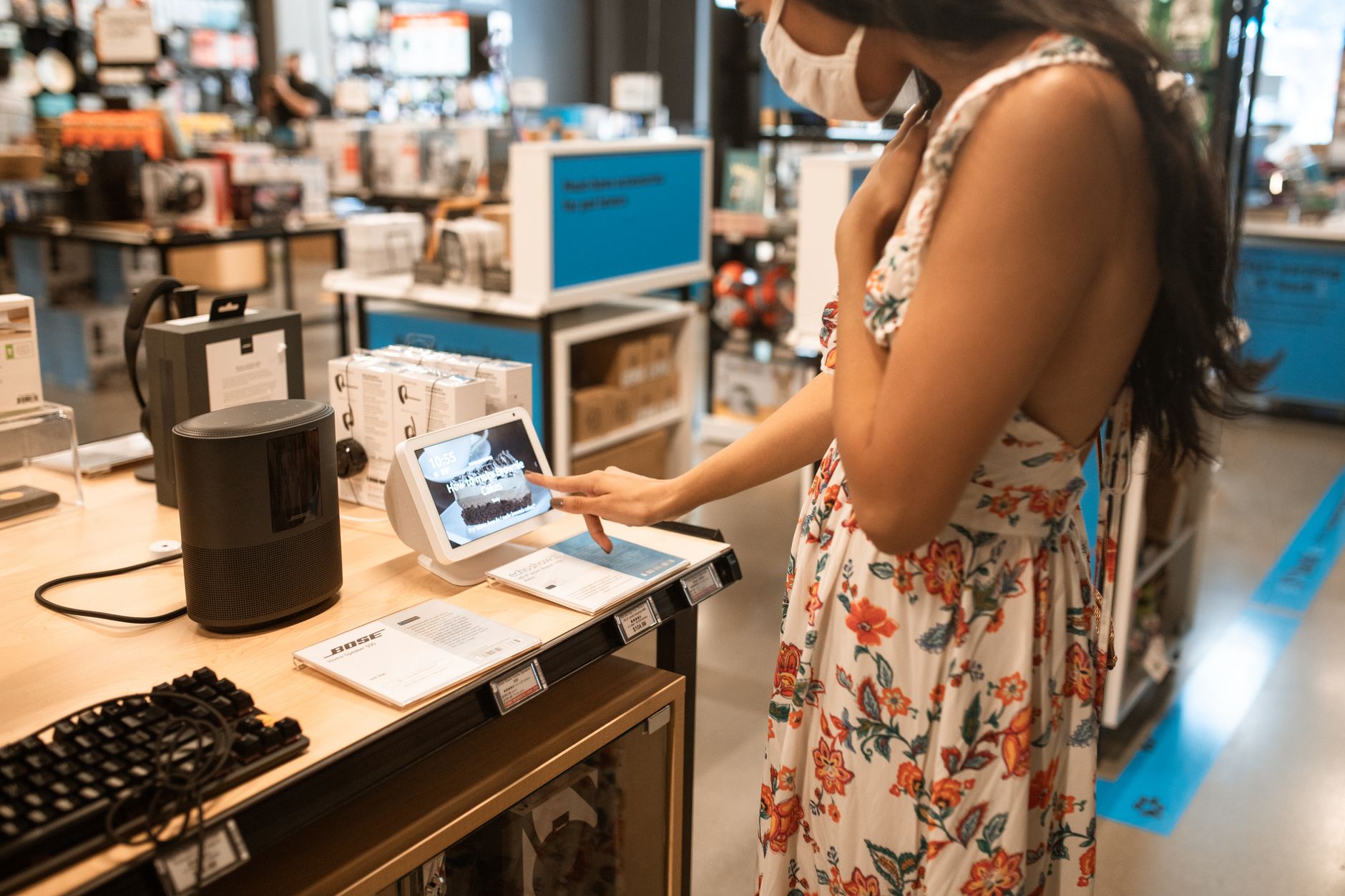
Traditional marketing builds awareness from a distance; brand activation closes the gap by placing the product directly in a consumer's hands at the moment of decision. This is particularly relevant for brand activation management.
A television ad or a display banner asks an audience to remember a brand and act later, sometimes days or weeks after the impression. A well-executed in-store demonstration asks for nothing more than a taste, a try, or a look, and the purchase decision happens on the spot. That last-mile moment is where brand activation operates, and it demands a fundamentally different operational model than media buying or creative production.
To understand what sets brand activation management apart as a discipline, it helps to examine both the psychology driving activation's effectiveness and the operational complexity that makes dedicated management necessary.
Direct product trial removes the single biggest barrier to purchase: perceived risk. When a shopper tastes a new sauce or tries a skincare product in-store, they replace uncertainty with firsthand experience.
That experience also creates what psychologists call episodic memory, a personal, sensory recollection tied to the brand rather than a generic ad impression. Episodic memories are more durable and more likely to influence future purchase decisions than passive exposure. The result is a shorter decision cycle: the shopper has already answered the question "will I like this?" before reaching the shelf.
For a deeper look at how these mechanisms apply across activation formats, see our guide on what is brand activation.
Running a single in-store event is straightforward; managing 50 or 500 activations across multiple retail banners, regions, and time windows is an operational discipline in its own right.
Brand activation management adds the coordination layer that separates a one-off event from a repeatable, measurable program. That layer includes scheduling brand ambassadors across locations, confirming compliance with each retailer's specific conditions and timing rules, capturing post-event sales data, and reporting results back to marketing leadership and retail partners.
This is not a single department's job. Field teams, retail partners, distributors, and marketing leadership all have a stake in whether an activation succeeds, and each needs different information at different times. Without a management structure that spans those groups, activations run in silos, data gets lost, and budget migrates toward programs that feel busy rather than ones that demonstrably drive purchase.
For execution detail on structuring these programs, see our guide on in-store product demonstration strategy.
Match your activation format to your product stage: trial-driving formats for new SKUs, experiential formats for established brands building loyalty.
Five formats cover most of what CPG brands and retailers deploy in practice. Each suits a different product category, purchase cycle, and retail environment.
The selection framework is straightforward: use trial-driving formats, in-store demos and sampling, when a new SKU needs to move consumers from awareness to first purchase. Use experiential formats when an established brand needs to deepen loyalty or justify a premium price point. Brand activation management decisions should start with funnel stage, not format preference.
Three planning errors consistently undermine activation ROI. First, brands commit to high-cost pop-up formats before validating whether the retail environment can support them, store layout, foot traffic patterns, and retailer approval all affect viability. Second, brand ambassadors arrive at events without a compliance brief: no product claims guidelines, no allergen scripts, no escalation path. A single off-message interaction can create liability and damage retailer relationships. Third, activations run without a data-capture plan, no conversion tracking, no post-demo sales pull, no record of which store and time slot performed. Without that data, the next campaign repeats the same guesswork. Platforms built for in-store demo coordination, like Demo Wizard, address this directly by capturing experience-to-purchase conversion rates by store and time period, so coordinators can identify what actually worked.
Physical activations can extend their reach significantly when paired with a simple digital layer. QR codes at demo stations can drive shoppers to a product page, recipe content, or a loyalty sign-up, without adding staff. A hashtag prompt on sampling materials encourages user-generated content that extends the activation's visibility beyond the store floor. Still, digital amplification works as a multiplier, not a substitute. For food, beverage, and personal care products, the in-person trial moment, tasting, smelling, touching, is what moves a skeptical shopper to purchase. Digital channels capture and extend that moment; they don't replicate it. For more information, see Understanding Network Management Services For Business.

Measuring brand activation management ROI requires comparing sales velocity at activated locations against matched control stores—because physical conversions leave no digital trail to track automatically.
Digital ads generate clicks, cookies, and pixels that tie spend directly to conversion. In-store demos produce none of those signals. A shopper samples a product, buys it two minutes later at the register, and the transaction records no connection to the activation that prompted it. This attribution gap is structural, not a data quality failure—it reflects how physical retail works.
Incrementality measurement closes that gap by isolating what the activation actually caused. The method is straightforward: select a set of activated stores and a matched set of control stores with similar baseline sales patterns, run the activation at the test locations, then compare sales velocity across both groups during the same period. The difference between the two represents the activation's contribution above baseline demand.
This approach requires four data inputs to produce credible outputs: units sold during the demo window, post-demo sales velocity over the following two to four weeks, fully loaded cost per demo event (staff, materials, and logistics), and repeat purchase rate. Each input maps to a distinct metric—sales lift, retention signal, cost per converted unit, and long-term customer value.
Generic spreadsheets can hold some of this data, but they cannot aggregate it across dozens of locations or surface patterns automatically. Dedicated brand activation management platforms capture post-demo data at the individual event level, then aggregate it across stores—making it possible to identify which store formats, time slots, or ambassador profiles consistently produce the highest sales lift.
Demo Wizard is built specifically for this use case. It tracks ROI per event, per store location, and per brand ambassador, giving coordinators the operational data needed to act on incrementality findings rather than just observe them. A team running 100 demos per month across multiple states can pinpoint which locations convert best and reallocate budget accordingly—without adding headcount.
Grocery retailers reduce activation friction by centralizing demo scheduling, enforcing compliance automatically, and giving every party a single shared calendar.
Without a structured system, brand activation management at the store level is a fragmented chain of separate contacts. A CPG brand confirms the date, a distributor calls to arrange product delivery, and a brand ambassador texts the department manager to ask where to set up, each conversation pulling a different employee away from customers, stocking, or checkout.
This fragmentation creates real operational risk. When three parties each communicate independently with store staff, scheduling conflicts on the floor are common: two demos booked in the same aisle, a demo slot confirmed during a store reset, or an ambassador arriving with no one available to direct them. Store managers spend time resolving problems that a coordinated system would have prevented entirely.
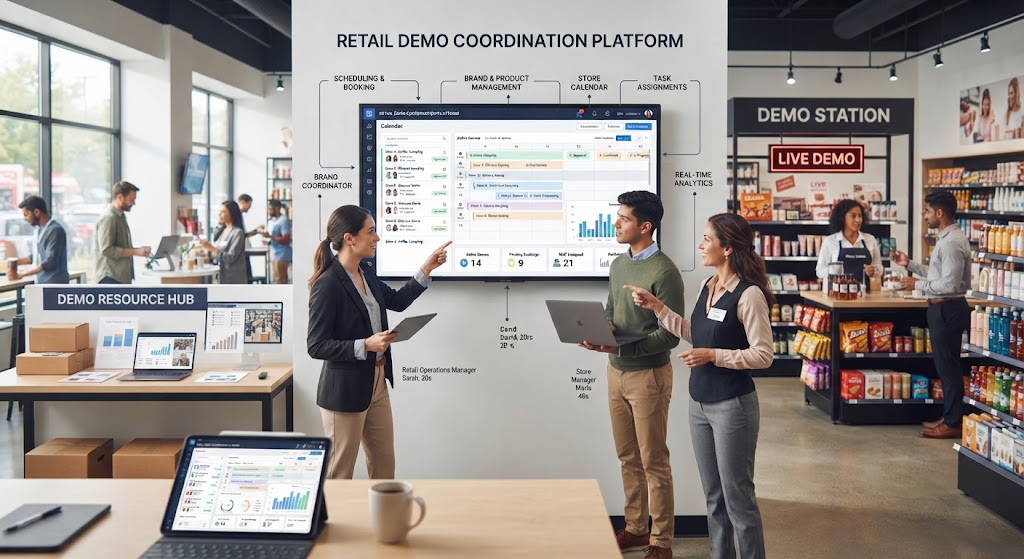
A platform like Demo Wizard acts as the coordination layer between the retailer, the CPG brand, the distributor, and the brand ambassador. Each party sees the same scheduling data. No one needs to call the store to confirm a slot that is already visible in the system.
A shared activation calendar does more than prevent double-booking, it directly protects the sales impact a demo is meant to generate. When approved time windows, permitted product categories, and ambassador behavior standards are built into the scheduling system, non-compliant requests are rejected before they reach the floor. Store managers no longer police each event individually.
Operational discipline and sales performance are directly connected. A demo that runs on schedule, in a high-traffic location, with a prepared ambassador aligned to peak shopping hours consistently outperforms an ad-hoc event. Product placement is confirmed in advance, the ambassador arrives briefed, and the timing matches when shoppers are actually in the aisle. This directly impacts brand activation management outcomes.
Demo Wizard delivers this for both sides simultaneously: the retailer gets a disruption-free floor with automatic compliance enforcement; the CPG brand gets confirmed execution and post-demo conversion data by store and time period, without any additional coordination burden on store staff.
A brand activation strategy starts with a measurable objective, then selects the format and channel that most directly drives it, budget follows that sequence, not the reverse.
Define the objective first: trial rate, velocity lift, or new-account penetration each points toward a different activation format. A trial-rate goal favors in-store sampling at high-traffic grocery locations. A velocity lift goal calls for demos timed to peak shopping hours at existing retail partners. New-account penetration may require experiential events or pop-ups in markets where the brand has no shelf presence yet.
Once the format is clear, identify the retail environments or event contexts where your target shopper is most reachable, a natural foods brand targeting health-conscious buyers belongs in specialty grocery, not a general mass-market club store.
In-store demo programs carry a cost structure that improves with volume. Coordination overhead, scheduling, ambassador briefing, post-event reporting, is largely fixed per campaign, so running 80 demos a month costs meaningfully less per event than running 10. High-production experiential events work the opposite way: set design, venue rental, and staffing carry fixed costs that don't compress as you add dates, making them a premium-tier choice suited to product launches or brand moments rather than ongoing retail programs.
For brands running consistent, multi-location demo programs, in-store activation is the budget-friendly format at scale. Experiential is the right call when a single high-impact moment justifies the fixed investment.
In-house brand activation management makes sense when the brand already has an established field team and a consistent retail footprint, the infrastructure exists, and keeping coordination internal preserves institutional knowledge and reduces margin paid to a third party.
Agency partnerships add clear value in three situations: entering a new geographic market, launching a new SKU without an existing ambassador network, or running a time-limited campaign that doesn't justify building internal infrastructure. Agencies absorb the ramp-up cost and bring existing field relationships. For a deeper look at execution tactics, an in-store product demonstration strategy guide covers the operational specifics agencies and in-house teams both need.
Specialized software earns its place in the budget by reducing the two largest hidden costs in any demo program: coordinator time and manual reconciliation. A coordinator managing 50 monthly demos through spreadsheets and email spends a significant portion of each week on scheduling conflicts, ambassador confirmations, and compiling post-event data, none of which generates revenue.
A dedicated platform like Demo Wizard handles scheduling across multiple retail locations, ambassador assignment and payroll, and post-demo ROI reporting in one system. That eliminates the reconciliation step entirely and lets a single coordinator manage hundreds of monthly events, work that would otherwise require additional hires. For teams evaluating the broader software category, the consumer engagement software overview provides useful context on where activation tools sit relative to adjacent platforms.
Brand awareness builds recognition; brand activation drives a specific consumer action, such as a trial, purchase, or sign-up. Awareness campaigns—TV spots, display ads, billboard placements—put a brand in front of audiences. Activations put the product in a consumer's hands and ask them to do something measurable. An in-store demo is a classic activation: a shopper samples a product and either buys it or doesn't, generating a conversion data point that a billboard never can.
Effective multi-location ambassador coordination requires a centralized scheduling system that matches ambassador availability to store calendars, confirms assignments automatically, and flags gaps before event day. Spreadsheets break down past a handful of locations—conflicting bookings, missed confirmations, and last-minute no-shows become routine. Platforms like Demo Wizard automate this layer: a single coordinator inputs store locations and ambassador availability, and the system builds optimized schedules across hundreds of monthly events without manual back-and-forth.
Collect units sampled, units sold during the demo window, store location, day of week, time of day, and the ambassador who ran the event. Those six data points let you calculate a direct experience-to-purchase conversion rate and identify which store-and-time combinations produce the strongest sales lift. Without time-stamped sales data tied to a specific demo event, you cannot separate the activation's impact from baseline store traffic.
Most grocery and mass-market retailers require demo requests two to four weeks in advance at minimum; larger chains with centralized vendor portals often require six to eight weeks. Scheduling too close to the event date risks losing preferred time slots—typically weekend mornings, when foot traffic peaks. Building a rolling 60-day activation calendar and confirming store approvals before booking ambassadors prevents last-minute cancellations that waste both budget and ambassador time.
Dedicated brand activation management software becomes worthwhile once a team is running more activations than a single coordinator can track manually—typically somewhere beyond 15 to 20 monthly demo events across multiple locations. At that volume, the coordination overhead of spreadsheets and email chains begins to consume time that should go toward planning and optimization. A purpose-built platform centralizes scheduling, compliance tracking, and post-event reporting, letting a lean team manage a high-volume program without proportionally increasing headcount.
Brand activation management comes down to three decisions made before a single demo runs: which stores get activations, who runs them, and how you'll measure whether they worked. Getting all three right simultaneously is where most CPG teams struggle—not because the strategy is unclear, but because the coordination overhead overwhelms the team executing it.
The concrete next step: audit your last 90 days of demo activity. If you cannot pull a store-by-store conversion rate from that period in under an hour, your current system is costing you budget you cannot defend. Request a Demo Wizard walkthrough to see how post-demo analytics are structured before you plan your next activation cycle.
Explore more from our content library:
Demo Wizard is the Ultimate Store Sampling & Demonstration management software for Brick and Mortar Retailers and CPG Vendors.
Chat with usPhone