
Demo Wizard is the Ultimate Store Sampling & Demonstration management software for Brick and Mortar Retailers and CPG Vendors.
Chat with us

Phone
Copyright © 2026 Demo Wizard
Shopper marketing is a discipline focused on influencing purchase decisions at or near the point of sale, in-store, online, or anywhere a transaction happens. Unlike traditional brand advertising, which builds awareness upstream, shopper marketing targets consumers in the active buying mindset. For CPG brands and retailers, it's the difference between a shopper who considers your product and one who puts it in the cart.
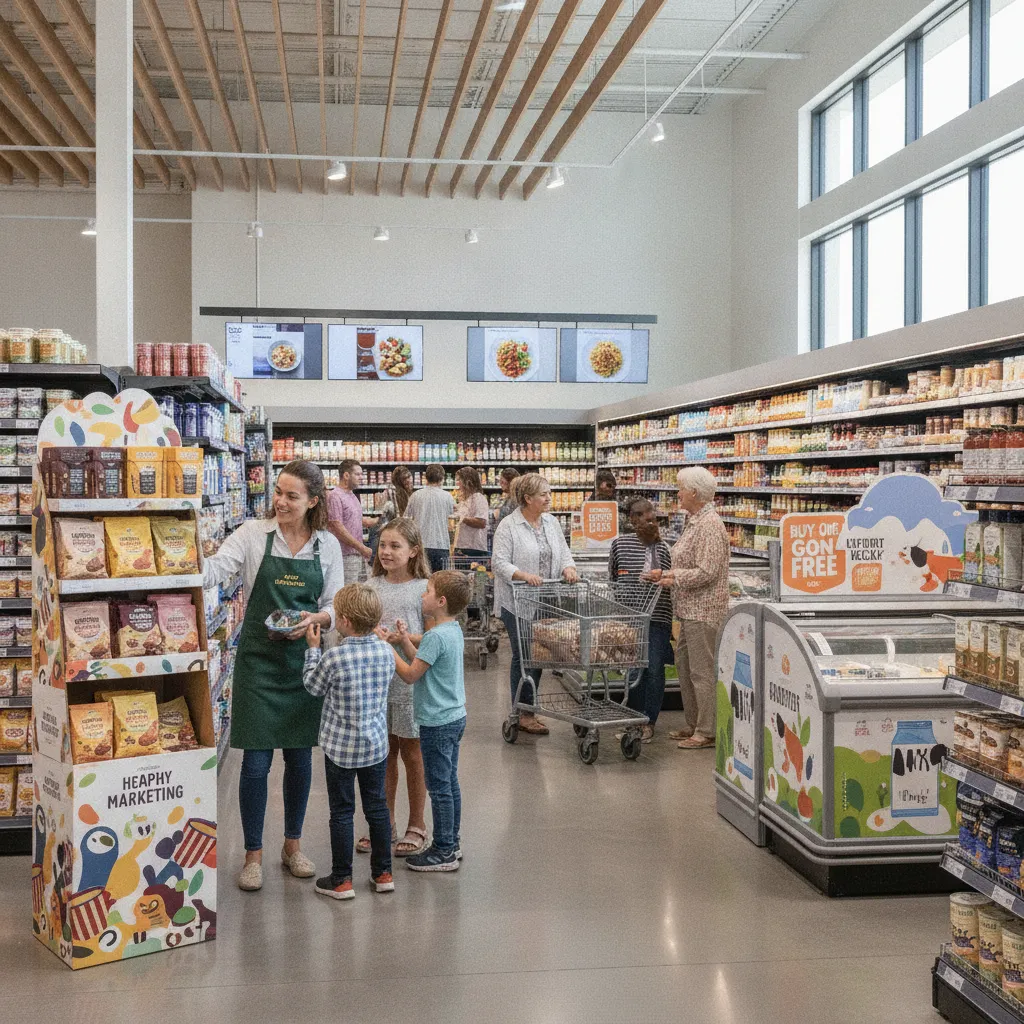
This discipline targets people in an active buying mindset, at shelf, on a product page, or mid-browse, not audiences passively absorbing a brand message. It exists because roughly 70–76% of purchase decisions are made at or near the point of sale [2], which means the majority of buying behavior happens in a window that traditional brand advertising never reaches.
The shopper vs. consumer distinction is central to the whole discipline. The person who buys a product and the person who uses it are often different, a parent buying cereal for a child, or a pet owner purchasing food their dog will eat. According to Wikipedia's overview of shopper marketing, the field specifically targets the buyer's decision context: what they see on the shelf, how they navigate the aisle, and what triggers them to pick up one product over another.
"Shopper marketing is about understanding how your target consumers behave as shoppers, in different channels and formats, and leveraging this intelligence to the benefit of all stakeholders." — Toby Desforges, Co-author of The Shopper Marketing Revolution
Traditional retail marketing, mass media, brand equity campaigns, broad reach, builds preference before a shopper enters the store. Field marketing uses brand representatives to execute at the shelf level. This approach sits at the intersection of both but is conversion-focused rather than awareness-focused or rep-driven. Its goal is to close the gap between intent and purchase, not to generate recall weeks later.
In-store product demonstrations are a clear example of where all three overlap, and where the conversion logic takes over. A demo doesn't just expose a shopper to a product; it puts the product in their hand at the exact moment they can buy it.
Effective retail activation relies on inputs that traditional advertising rarely touches: basket analysis, purchase frequency, and path-to-purchase mapping [2]. These data sets reveal which shoppers buy which products, how often, and under what conditions, information that lets brands target the right buyer at the right moment rather than broadcasting to the widest possible audience.
Segmenting shoppers by behavior, not just demographics, is what separates a strong strategy from a generic promotional plan. A brand that knows its highest-converting store locations and peak purchase windows can concentrate spend where it actually moves product off the shelf.
Path-to-purchase research adds another layer of precision. By mapping the physical and digital touchpoints a shopper encounters before completing a transaction, brands can identify where attention is highest and where messaging is most likely to shift behavior. The American Marketing Association's resources on shopper marketing highlight how path-to-purchase analysis has become a foundational input for modern retail strategy, informing everything from shelf layout decisions to digital ad sequencing.
Driving purchase decisions at the moment they happen makes point-of-sale activation one of the highest-ROI investments a CPG brand can make at retail.
Most shoppers don't browse, they default. Nielsen data shows 85% of purchases involve brands the shopper already knows [1], and category leaders typically see repeat purchase rates above 60%. That habit loop is both a defense mechanism and a barrier: your job is to protect loyal buyers while intercepting the small window when a shopper is open to switching.
"The store is the last three feet of the marketing journey — and often the most important." — Brian Harris, Founder of The Partnering Group and pioneer of retail category management
Point-of-sale execution is where that interception happens. A well-run in-store demo or targeted digital shelf placement can lift trial rates by 30–50% compared to passive shelf presence alone. That gap explains why brands invest in brand activation and experiential marketing as direct extensions of their retail strategy, physical interaction converts browsers into first-time buyers faster than any above-the-line tactic.
Shopper marketing spend has moved from discretionary budget to a negotiated line item in joint business plans between CPG brands and their retail partners. Brands that commit activation dollars to a retailer gain shelf placement use; retailers gain measurable category growth and larger basket sizes.
That shared-value structure changes the conversation. A demo program isn't a brand cost, it's a co-investment that gives the retailer a reason to prioritize your SKUs over a competitor's. Brands that treat this as a negotiation tool, not just a campaign tactic, consistently secure better placement and promotional support.
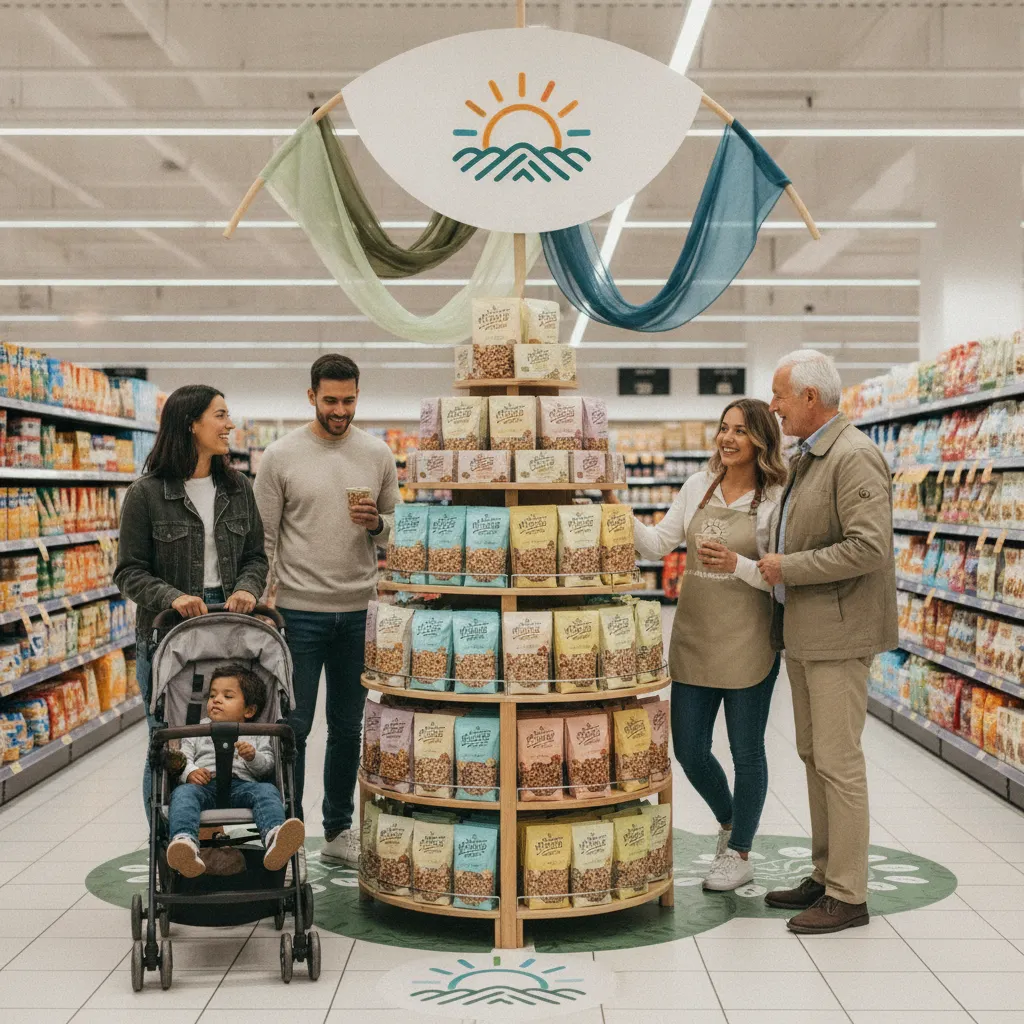
The highest-converting tactics combine in-store trial, coordinated trade promotions, and digital shelf presence, no single channel wins alone.
Tactic selection starts with shopper segmentation. A brand loyalist responds to a loyalty reward; a category switcher needs a trial incentive; a shopper new to the category needs education before they'll commit. Running the same tactic across all three groups wastes budget and misses conversion opportunities. The most effective programs layer multiple tactics in sequence:
In-store product demonstrations — highest-conversion tactic for new product introductions, putting product directly in shoppers' hands at the moment of decision
Trade promotions — coordinated retailer discounts and display placement that amplify demo-driven lift
Digital shelf optimization — enhanced content pages, A+ listings, and sponsored placements on Amazon, Walmart.com, and Instacart
Loyalty rewards and digital coupons — targeted incentives that protect repeat purchase rates among existing buyers
Social commerce and live shopping — real-time product demonstrations on TikTok Shop and Instagram Checkout that compress the path to purchase
In-store product demonstrations remain the highest-conversion tactic for CPG brands introducing new products. KIND, Lavazza and Chobani all used structured demo programs at Costco and Whole Foods during their launch phases, putting product directly in shoppers' hands at the moment of purchase decision, where trial rates consistently outperform digital-only campaigns.
Trade promotion management, coordinating retailer discounts, display placement, and demo scheduling together, compounds that lift further. Brands that align promotional pricing with active demo windows see stronger sales velocity than those running each tactic independently. Platforms like Demo Wizard are built for exactly this coordination: scheduling in-store demos across multiple retail locations while tracking which store-and-time combinations actually convert browsers into buyers.
Digital shelf optimization is the e-commerce equivalent of in-store display. Enhanced content pages, A+ product listings, and sponsored placements on Amazon, Walmart.com, and Instacart directly influence add-to-cart rates for shoppers who never set foot in a store.
TikTok Shop, Instagram Checkout, and live shopping events are compressing the path to purchase into a single moment, a shopper sees a product demonstrated, taps to buy, and checks out without leaving the app. Purchase-influencing tactics are migrating to these channels fast because the conversion window is measured in seconds, not store visits.
The mechanics mirror in-store demos: a credible presenter, a live product trial, and a frictionless purchase option at the point of peak interest. Brands that master this format in 2024 and 2025 are treating live commerce as a digital sampling channel, not just content.
The core KPIs are units sold per demo hour, trial-to-repeat conversion rate, incremental sales lift vs. control stores, and cost per trial.
Those four in-store metrics are what justify demo program budgets to finance teams and retail partners. Incremental sales lift is the most persuasive—it compares sales at activated stores against matched control stores that received no promotion during the same window. Without that control group, you're measuring total sales, not the impact of the activation itself.
Cost per trial ties the spend directly to the number of shoppers who actually sampled the product. A demo that costs $400 and generates 80 trials runs $5 per trial—a number a brand manager can benchmark across store locations and campaign periods.
"You can't manage what you don't measure — and in retail activation, the store-level data is where the real story lives." — Anne Stephenson, Partner at Explorer Research, a leading shopper insights consultancy
Digital KPIs that matter alongside in-store data include digital shelf share of voice, add-to-cart rate from sponsored placements, and cross-channel attribution—specifically, whether an in-store demo drove an online repurchase days later.
Cross-channel attribution is the hardest metric to get right. Matching a shopper's in-store trial to a subsequent e-commerce order requires loyalty card data, retailer data-sharing agreements, or third-party panels—none of which are simple to arrange. Still, brands that close this loop can quantify the full lifetime value of a single demo event.
On the in-store side, the biggest operational barrier to ROI measurement is matching store-level sales data to demo event logs. That matching work—pulling POS reports, cross-referencing demo dates and locations, building lift calculations—can consume 10 or more hours per campaign in spreadsheets. Platforms like Demo Wizard automate this by generating post-demo analytics tied to specific store locations and time windows, so coordinators can identify which stores convert at the highest rate and reallocate future demo budgets based on actual performance data, not gut feel.
The core tech stack combines demo scheduling software, trade promotion management tools, retail execution apps, and store-level analytics dashboards.
Each layer handles a distinct job. Demo scheduling and ambassador management platforms coordinate who is where and when. Trade promotion management (TPM) tools track retailer deal terms, funding allocation, and promotion calendars. Retail execution apps give field reps visibility into compliance and shelf conditions. Analytics dashboards pull store-level sales data into one place so teams can measure lift without rebuilding it from spreadsheets.
Demo Wizard sits in the demo scheduling layer, a single coordinator can manage hundreds of monthly in-store events, covering scheduling, ambassador assignment, payroll, and post-demo reporting in one platform at roughly $3 per demo. That per-event pricing model means cost scales with activity, not headcount.
TPM tools handle the retailer side: promotional funding, deal calendars, and co-op budgets. Brands that run demos without connecting them to TPM data miss the full picture, a high-converting demo at a store running a simultaneous price promotion looks very different from one running at full retail. Aligning both datasets separates real lift from noise.
Consumer engagement software sits adjacent to this stack, handling loyalty programs, digital coupons, and post-purchase re-engagement, tactics that extend the relationship a demo starts.
Integration is where most programs break down. The strongest setups connect demo event data directly to POS sales feeds so ROI is calculated automatically, not reconstructed from memory two weeks after the event. When a demo platform timestamps each activation and the POS system captures the subsequent sales window, the conversion rate calculation is objective and auditable. Brands presenting that data to retail buyers have a credible case for expanded shelf space or additional demo slots.
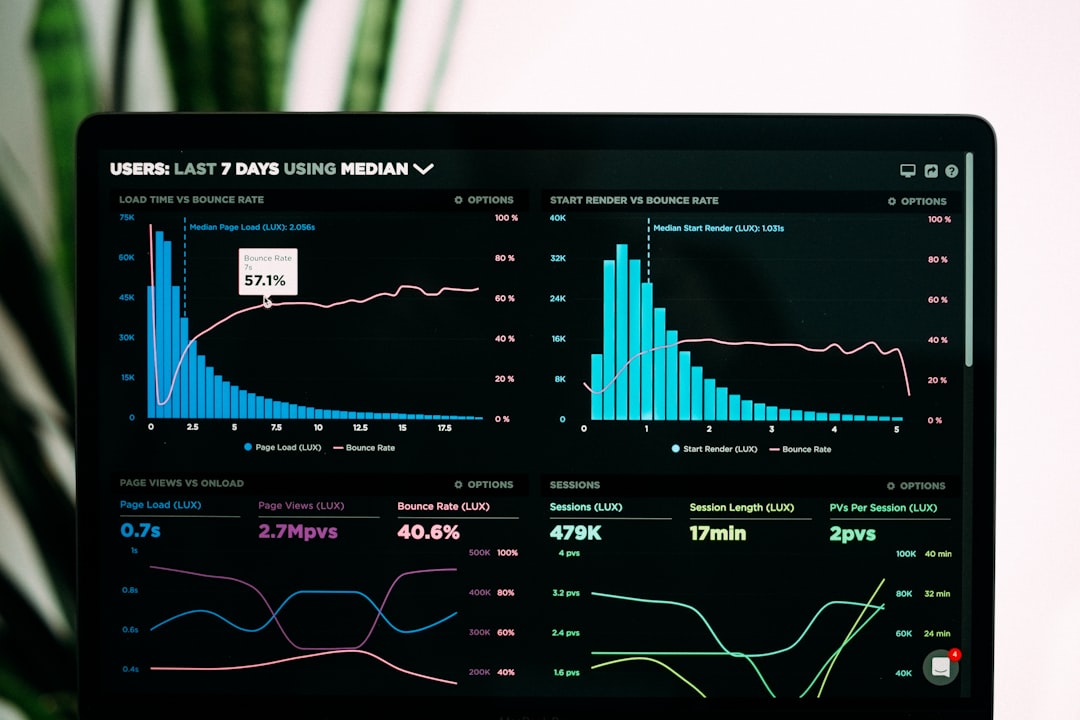
Shopper marketing targets people at the moment of purchase, while consumer marketing builds brand awareness and preference before anyone enters a store. A consumer marketing campaign might run a TV ad to create desire for a product; a point-of-sale tactic places that same product at eye level with a price promotion at the shelf. The two strategies work best together—consumer marketing pulls shoppers in, and in-store activation closes the sale.
CPG brands allocate roughly 15–20% of their total marketing budgets to retail activation, with large food and beverage companies often spending tens of millions of dollars annually on in-store activations, trade promotions, and point-of-sale materials. Exact figures vary by category and retailer relationship. Brands with strong retail partnerships—such as those with dedicated co-marketing agreements at major grocery chains—tend to spend at the higher end of that range.
An effective in-store demo puts the right product in front of the right shopper at the right time, with a trained brand ambassador who can answer questions and close the sale on the spot. Placement matters—high-traffic aisles and peak shopping hours consistently outperform low-traffic slots. Tracking experience-to-purchase conversion rates by store and time period, as platforms like Demo Wizard do, lets brands identify which conditions produce the best results and repeat them.
Online retail activation applies the same point-of-purchase logic to digital touchpoints: sponsored product listings, on-site search placement, personalized promotions, and digital coupons all influence the moment a shopper decides what to add to their cart. Retailers like Amazon and Walmart use first-party purchase data to serve targeted offers to shoppers already browsing a relevant category [2]. The tactics differ from physical retail, but the goal is identical—convert intent into a completed transaction.
Retail partners are central to any effective shopper marketing strategy. Brands that co-invest with retailers through joint business plans gain access to better shelf placement, promotional windows, and first-party shopper data. In return, retailers benefit from category growth and increased basket sizes. The strongest programs treat the retailer as a strategic partner rather than simply a distribution channel, aligning activation calendars, promotional funding, and performance metrics to shared goals that benefit both sides.
Shopper marketing works because it meets buyers at the exact moment they decide what to purchase—not before, not after. Three things determine whether your program delivers: placing activations where purchase intent is already high, training brand ambassadors to convert trial into a sale, and measuring results at the store level so you can cut what doesn't work and scale what does.
If you run in-store demos across multiple retail locations, start by auditing your current conversion data by store and time slot. If that data doesn't exist yet, that's the gap to close first—Demo Wizard tracks experience-to-purchase rates at the store level from $3 per demo, giving you the numbers you need to make that case to your retail partners.
Explore more from our content library:
About the Author
Written by the SaaS / Retail Marketing Technology experts at Demo Wizard. Our team brings years of hands-on experience helping businesses with SaaS / Retail Marketing Technology, delivering practical guidance grounded in real-world results.
Demo Wizard is the Ultimate Store Sampling & Demonstration management software for Brick and Mortar Retailers and CPG Vendors.
Chat with usPhone