
Demo Wizard is the Ultimate Store Sampling & Demonstration management software for Brick and Mortar Retailers and CPG Vendors.
Chat with us

Phone
Copyright © 2026 Demo Wizard
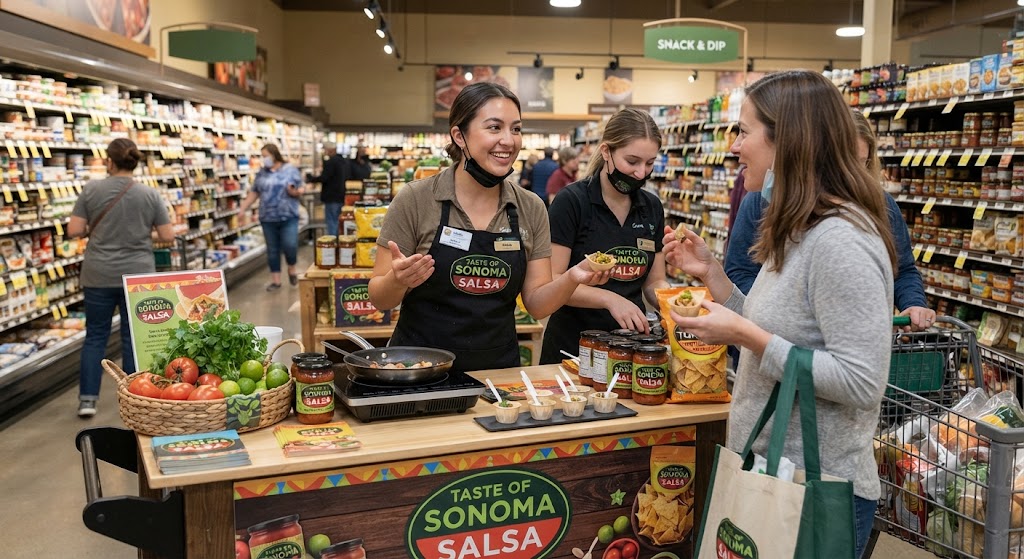
A product launch demo is a live or recorded presentation that shows a new product in action, demonstrating its value before or at the point of purchase. For CPG brands, in-store product launch demos are the highest-converting format: shoppers who taste, touch, or try a product convert at dramatically higher rates than those who only see packaging. Done well, a launch demo turns a sales event into shelf space velocity accelerator.
A product launch demo is a staffed, goal-oriented retail event, not a tray of samples left on a counter, designed to drive trial, conversion, and measurable, ongoing product demand.
That distinction matters. Shelf placement puts a product in front of a shopper. A structured demo puts a knowledgeable brand ambassador in front of that same shopper to engage her attention, answer questions, handle objections, and guide a purchase decision in real time. Packaging cannot replicate either of those things.
The mechanism is straightforward: sensory trial removes purchase risk. A shopper who tastes a new oat-milk creamer or tries a clean-label protein bar before buying has already made the hardest decision, whether the product is worth their money. The ambassador's role is to close that loop by connecting the product experience to the brand story and the retailer's shelf.
That convergence of brand narrative, physical product experience, and retail environment is what makes in-store product launch demos distinct from digital ads or trade-show presentations. The purchase opportunity is immediate, and the shopper is already in a buying mindset.
A beverage brand launching a sparkling water line might station an ambassador at the refrigerated section during peak weekend hours to pour samples and explain the flavor lineup. A specialty sauce brand entering a regional grocery chain might run demos at the deli counter, pairing the product with familiar foods to lower the novelty barrier. In each case, the demo is timed, placed, and staffed with a specific conversion goal, not simply product awareness.
The most damaging failure mode is coordination breakdown between the CPG brand, the retailer, and the demo staff. When those three parties are not synchronized, the consequences are concrete. The most common breakdowns include:
Platforms like Demo Wizard exist specifically to close that gap, automating scheduling across store locations, confirming ambassador assignments in advance, and ensuring the right product is on the shelf before a demo goes live. Without that coordination layer, even a well-funded product launch demo can fail before a single shopper walks by.
High-converting product launch demos share four elements: a knowledgeable ambassador, peak-traffic timing, a clear path to purchase, and a structured data collection process.
The brand ambassador is the demo's conversion engine. Product knowledge, genuine enthusiasm, and the ability to handle price or taste objections on the spot determine whether a shopper buys, more than store location or time slot alone. An ambassador who can explain why a new oat milk creamer tastes different from the three already on the shelf closes far more sales than one who simply hands out cups.
Timing and placement multiply that effort. A demo positioned in a high-traffic aisle during Saturday morning peak hours benefits from both volume and dwell time, shoppers moving through a busy store slow down near a sample station, giving the ambassador a longer window to engage. The same demo in a low-traffic Tuesday afternoon slot reaches fewer shoppers and loses that natural pause.
A clear call to action at the station closes the loop. Shoppers who enjoy a sample need an immediate path to purchase: the product shelf within arm's reach, visible pricing, and a simple verbal prompt from the ambassador, "It's right here on the shelf; grab one while you're thinking about it."
Structural failures kill conversion before it starts. An ambassador arriving late, the wrong SKU available for sampling, missing signage connecting the station to the shelf, and no post-demo data collected: these four mistakes are common and measurable. Without post-event data, there is no way to prove the activation happened or justify the next campaign budget.
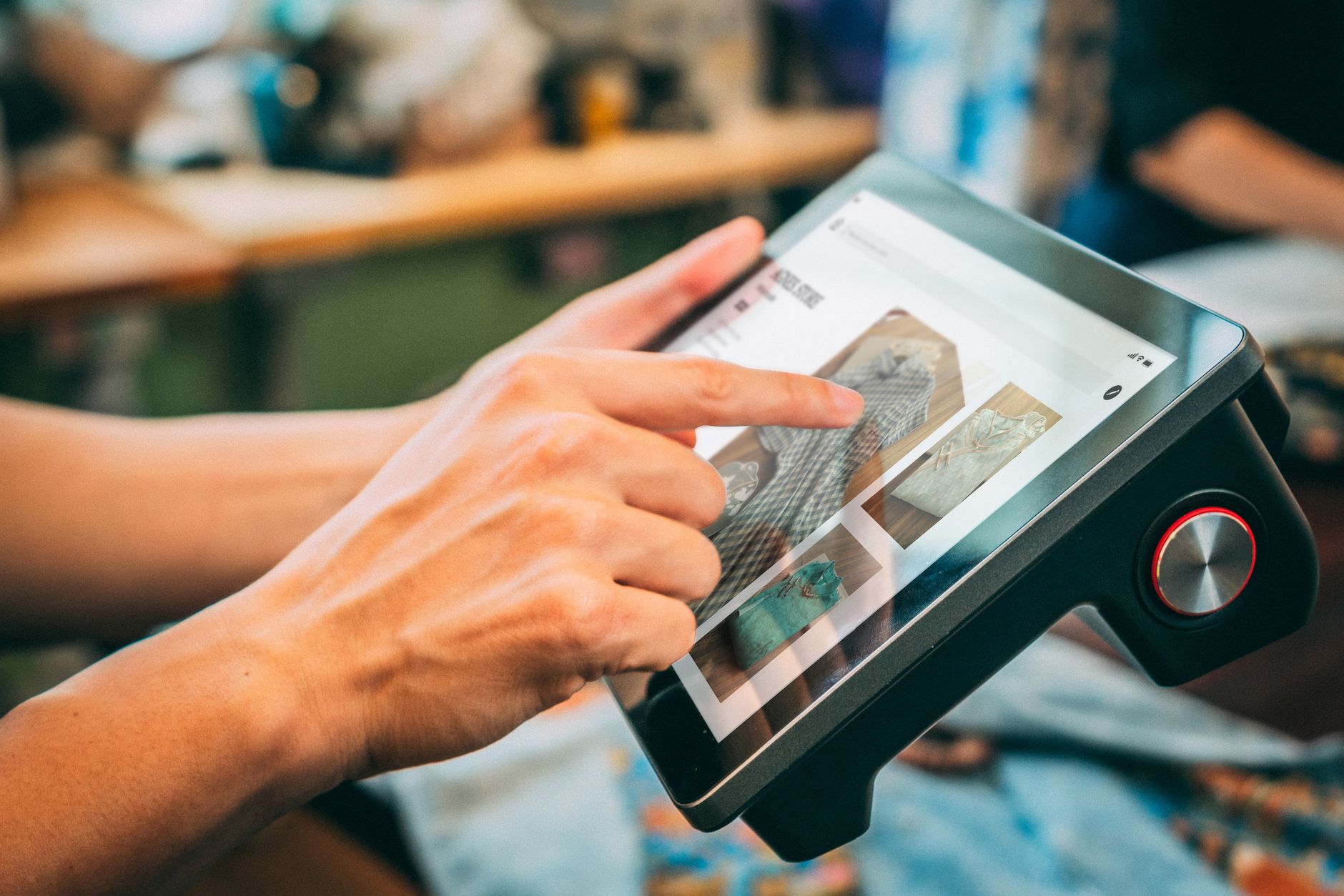
A successful product launch demo program runs through four operational steps: store selection, scheduling, ambassador briefing, and post-demo reporting.
Choose retail locations based on category velocity, shopper demographics that match your target buyer, and the strength of your existing retailer relationship. A store that moves high volumes in your category and has a cooperative store manager will outperform a geographically convenient location with low foot traffic in that aisle every time.
Every in-store demo moves through a four-link chain: CPG brand → retailer → demo company or distributor → brand ambassador. Each handoff is a point where scheduling gaps, double-bookings, and last-minute cancellations can occur. When this chain runs on email threads and spreadsheets, a single change at one link, a retailer blocking a date or an ambassador canceling, can collapse the entire event without anyone catching it in time.
Every pre-demo briefing must cover product talking points, sampling protocol, store-specific rules (such as table placement and waste disposal), and required documentation. Without a standardized briefing, two ambassadors running the same product launch demo at different stores will deliver different experiences, and your conversion data becomes impossible to compare.
Build a pre-demo checklist that confirms store approval, product inventory on-site, ambassador assignment, and briefing completion before the event date. A post-demo form should capture units sampled, units sold, shopper feedback, and ambassador notes within 24 hours of the event, that data is the only basis for calculating demo ROI and deciding which stores to repeat.
A well-structured pre-demo checklist typically covers the following items:
When a brand runs dozens of product launch demos per month across multiple retailers, these steps multiply fast. A platform like Demo Wizard automates the scheduling chain, manages ambassador assignments, and collects post-demo analytics in one place, replacing the spreadsheets and email threads that produce the exact failure modes above.
Compare units-sold-per-demo across store locations and time slots to identify which combinations convert best. Flag the stores where demo ROI consistently exceeds your baseline and prioritize them for the next campaign cycle. Over three to five demo cycles, this data builds a launch playbook, a ranked list of store and time combinations your team can deploy for every future product introduction without starting from scratch.
For teams building out digital or recorded demo assets alongside in-store activations, reviewing SaaS product demo video examples with real prompts can provide useful structural frameworks for scripting ambassador talking points and brand narratives.
CPG brands run product launch demos on three distinct tiers of tooling, each with clear capabilities and clear limits.
Calendar and task tools handle assignment visibility and deadline tracking reasonably well. Where they break down is everything specific to demo programs: there is no ambassador roster, no retailer-facing coordination layer, and no mechanism to collect post-demo sales data. A coordinator can see that a demo is scheduled; they cannot see whether the ambassador confirmed, whether the store complied, or whether the event drove any purchase lift.
Spreadsheets and email chains are the default starting point for most teams, and the first thing that breaks at scale. Version control errors mean two coordinators work from different files. Missed email confirmations create no-shows. There is no audit trail when a retailer disputes what was agreed. Beyond a handful of monthly events, this approach generates more administrative work than it saves.
Dedicated platforms close the gaps the other two categories leave open. They maintain a centralized calendar visible to the brand, retailer, and ambassador simultaneously; send automated scheduling confirmations; track compliance against in-store conditions; and tie post-demo analytics to individual store events. That last capability, connecting a specific activation to measurable purchase data, is what makes product launch demos accountable to finance and retail partners.
Demo Wizard sits in this category. It coordinates, schedules, and tracks ROI for in-store demo programs across multiple retail locations and manages ambassador assignments and payroll in the same system. It does not message consumers, manage broad retail operations, or replace trade promotion management suites; its scope is the in-store activation workflow, end to end.
Budget-friendly tools cover basic scheduling for teams running fewer than 20 events per month. Mid-range platforms add ambassador management and basic reporting. Premium options, purpose-built for brands coordinating hundreds of monthly activations, include multi-location analytics, payroll integration, and retailer-facing visibility. The right tier depends less on budget than on how many locations a single coordinator is expected to manage without additional headcount.
Effective product launch demos adapt the script, format, and ambassador profile to match the retail environment and the shopper standing in front of the display.
A natural grocery shopper browsing the specialty aisle is typically motivated by ingredient quality, dietary fit, or brand story and responds to a longer, conversational demo. A club store shopper is comparing bulk value against a tight budget and needs a fast, proof-based trial: one bite, one clear price-per-unit comparison, and a direct call to action. Running the same script in both formats leaves conversion on the table.
Store-level data should drive format selection before a single ambassador is scheduled. A high-velocity urban location with short dwell times calls for a fast-trial format:sample first, talk second. A suburban store with longer shopping trips supports a full product education sequence: origin story, preparation tips, and a recipe card. Past demo results by store, combined with category performance data and peak traffic windows, tell you which approach to deploy where.
Grocery retailers benefit most when CPG vendors arrive with a pre-approved demo plan, a confirmed ambassador, and a compliance checklist already in place. That structure removes the coordination burden that store employees otherwise absorb, fielding vendor calls, confirming setup times, and chasing paperwork.
Demo Wizard addresses this directly. The platform lets a brand configure store-specific demo parameters, format, ambassador, timing, and gives the retailer a real-time calendar of every scheduled activation. Store managers see what's coming, when, and who's running it, without a single back-and-forth email disrupting the floor.
Most in-store product demos run between two and four hours per shift, with four-hour blocks being the most common format for CPG launches. Shorter windows reduce ambassador fatigue and keep energy levels consistent throughout the session. High-traffic periods—weekend mornings in grocery, for example—typically yield the best conversion rates, so a focused four-hour block during peak hours outperforms a full-day presence during slow traffic.
There is no universal minimum, but brands generally need repeated activations at the same location—not a single event—to produce measurable velocity changes. A one-time demo rarely moves the needle on reorder data. Running three or more demos per store over the first four to six weeks of a launch gives retailers enough sell-through data to assess whether to expand shelf placement or increase order quantities.
Ambassadors should record units sampled, units sold during the demo window, total shopper interactions, and any product or pricing objections they heard. That data feeds directly into post-demo conversion analysis. Without a consistent collection format across locations, brands cannot identify which stores or time slots drive the strongest purchase rates—making it impossible to allocate future demo budgets toward the highest-performing activations.
Retailers typically require vendors to book demo slots through a store coordinator or category manager, often weeks in advance, and may impose rules on demo placement, equipment, and staffing. Without a centralized scheduling system, this process generates significant back-and-forth between store staff, CPG brand teams, and ambassadors. Platforms like Demo Wizard give retailers a single calendar view of all scheduled activations, reducing the coordination burden on store employees and ensuring demos comply with store-specific conditions before the ambassador ever arrives.
A product launch demo is a time-bound, goal-oriented activation designed to drive initial trial and velocity during a product's first weeks on shelf. An ongoing sampling program, by contrast, maintains brand awareness and repeat purchase over a longer period. Launch demos typically involve more intensive ambassador briefing, tighter coordination with the retailer's category team, and a stronger emphasis on post-event data collection to justify continued shelf placement and future investment.
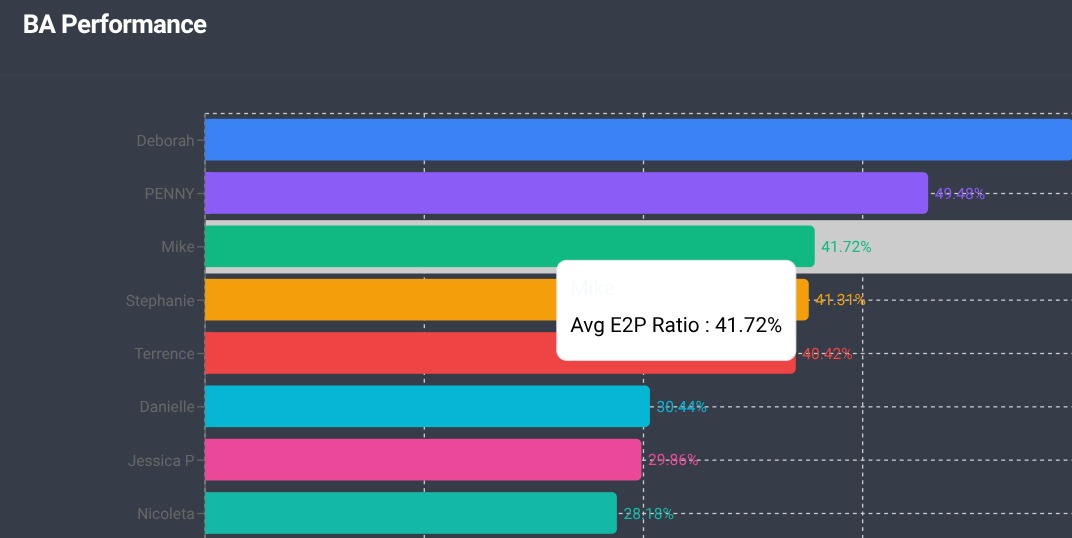
Product launch demos succeed when three things align: the right store locations, consistent post-demo data collection, and a scheduling process that doesn't consume your coordinator's entire week. Brands that treat each demo as a data point—tracking units sampled, shopper interactions, and conversion by store—build the evidence retailers need to justify expanded shelf space.
The operational side is where most launches stall. If your team is still coordinating ambassador schedules across spreadsheets and chasing store managers by email, audit that process before your next launch. A purpose-built platform that automates scheduling, manages ambassador assignments, and captures post-demo analytics in one place—like Demo Wizard—lets a single coordinator run hundreds of monthly events without adding headcount. Start by mapping your next launch's target stores, then build a demo cadence of at least three activations per location in the first six weeks.
Explore more from our content library:
About the Author
Written by the SaaS / Retail Marketing Technology experts at Demo Wizard. Our team brings years of hands-on experience helping businesses with SaaS / Retail Marketing Technology, delivering practical guidance grounded in real-world results
Demo Wizard is the Ultimate Store Sampling & Demonstration management software for Brick and Mortar Retailers and CPG Vendors.
Chat with usPhone