
Demo Wizard is the Ultimate Store Sampling & Demonstration management software for Brick and Mortar Retailers and CPG Vendors.
Chat with us

Phone
Copyright © 2026 Demo Wizard
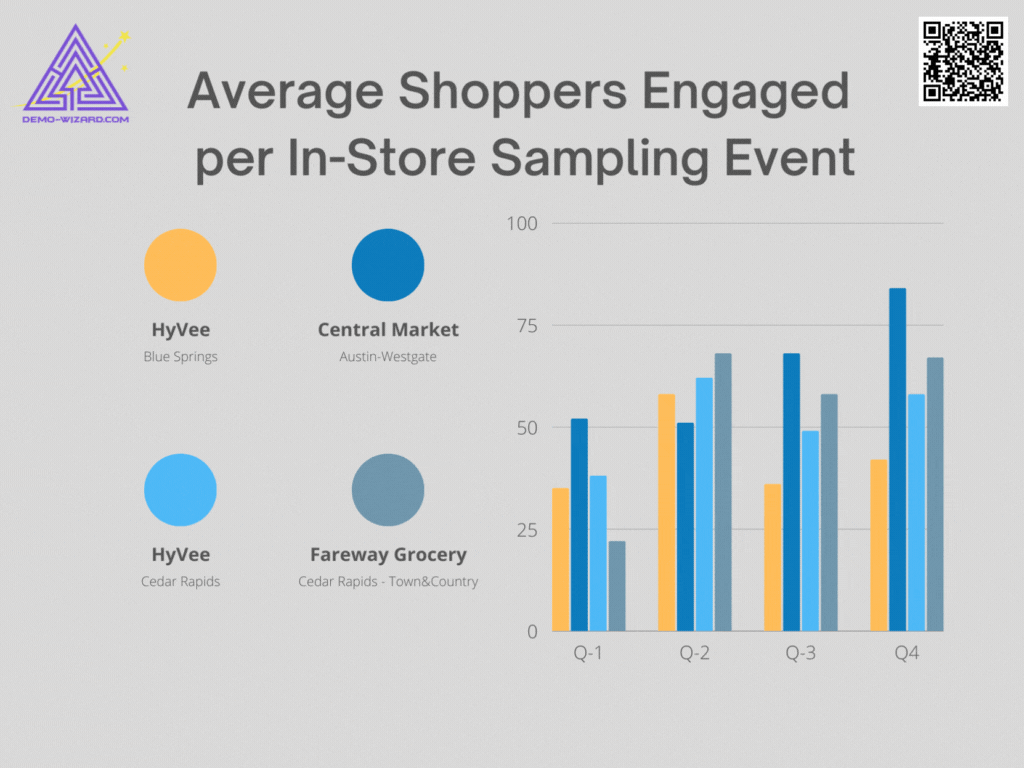
Understanding field marketing software comparison for cpg brands pricing features and in-store demo coordination capabilities is essential. The best in-store demo coordination platforms for CPG brands combine purpose-built scheduling, ambassador assignment, and proof-of-execution tools with pricing structured around per-demo, per-location, or per-user costs rather than broad field-rep CRM licenses. CPG brands and agencies should prioritize platforms that track demo-to-purchase conversion, centralize ambassador management, and scale across hundreds of retail doors without adding administrative headcount. General field marketing software often covers rep visits and merchandising broadly, while purpose-built demo coordination tools focus specifically on scheduling, staffing, and ROI for product activations.
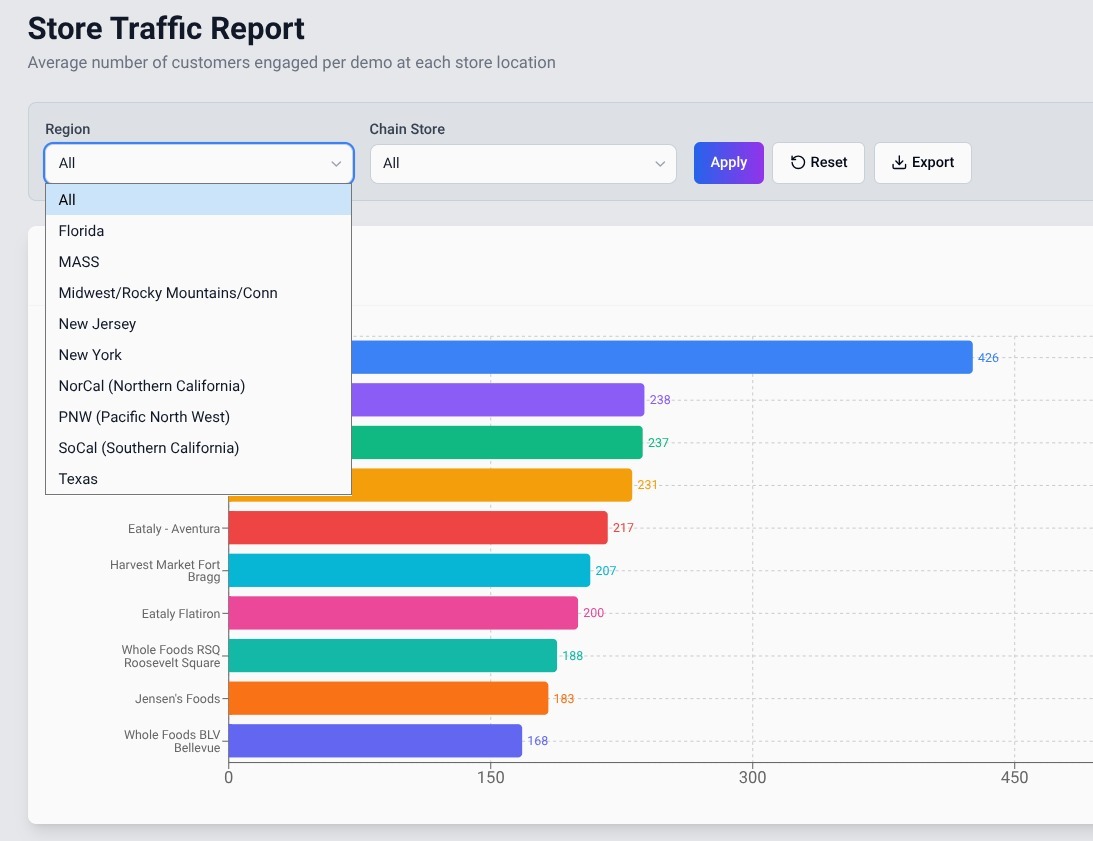
A useful evaluation starts by separating tools built for broad field activity from tools built specifically to schedule, staff, and measure in-store demos.
CPG brands running weekly sampling events, agencies juggling multiple client calendars, and retailers hosting vendor activations each need a different cut of the same question. A field marketing software comparison for CPG brands pricing features and in-store demo coordination capabilities has to weigh scheduling depth, ambassador workflows, and reporting granularity against how fast a team can actually get the tool running in stores.
General field marketing platforms track rep visits, merchandising audits, and account coverage across a sales territory, while demo-specific tools narrow in on scheduling ambassadors, confirming shifts, and measuring conversion for a single activation [4]. Field sales software was designed to solve a different problem: reps spend a large share of their week on route planning, account history, and CRM syncing rather than in-store execution [4]. That focus is valuable for territory management, but it doesn't translate into features a brand actually needs on demo day, such as who is staffing which store, whether they checked in on time, and what happened to units sold.
Demo Wizard was built around that narrower problem. It schedules ambassadors across multiple retail locations, manages their assignments and payroll, and reports on experience-to-purchase conversion by store and time period, without bundling in merchandising or audit modules a demo-focused team will never use.
Tools scoped to one job, coordinating demos, typically onboard faster than multi-module retail execution suites, because there are fewer unrelated workflows to configure before the first event goes live. Broader retail execution platforms often require setting up planogram compliance, stock checks, and order capture alongside demo scheduling [3], which adds setup time even when a brand only needs the scheduling piece. A coordinator trying to launch 20 events next week doesn't benefit from configuring modules for problems they don't have.
The non-negotiables worth comparing line by line: calendar visibility across all scheduled events, ambassador assignment and confirmation workflows, proof-of-execution capture through photos and check-ins, and post-demo reporting tied to sales impact. Fit also depends on who's buying. A brand running its own ambassador team needs direct scheduling and payroll; an agency coordinating demos for several CPG clients needs multi-client visibility and consolidated reporting across accounts.
Most platforms charge one of three ways: per demo event, per retail location, or per user seat, and the model a brand picks determines whether costs stay predictable or climb as the program grows.
Any field marketing software comparison for CPG brands pricing features and in-store demo coordination capabilities has to start here, because the pricing structure shapes almost every downstream decision about which tool fits a team's activation volume and headcount.
Base tiers across this category generally cover event scheduling, ambassador communication, and basic reporting, the minimum needed to book a demo and confirm it happened. Where platforms differentiate is in what sits behind an upgrade wall: advanced analytics that break down conversion by store and time slot, payroll processing for ambassador pay, and trade promotion tools that tie demo timing to retailer discounts.
Brands evaluating vendors should ask what counts as "reporting" in the base tier versus what requires an add-on. A dashboard that shows scheduled events is not the same as one that measures experience-to-purchase conversion by location, and that distinction often only becomes clear after signing a contract.
Per-user pricing charges for every coordinator, field manager, or retail buyer who needs a login. That structure penalizes exactly the teams this software is built for: a brand running activations across 20 states typically needs several stakeholders checking schedules and results, and seat-based pricing turns that visibility into a recurring tax that grows with headcount, not with activation volume.
Per-location pricing has a similar problem for brands expanding into new retail doors, adding a store means adding cost even if demo frequency there is low.
Per-demo pricing ties cost directly to activations run, which matches how CPG brands actually plan budgets: around campaign calendars, not store counts or team size. Demo Wizard uses this model, starting at $3 per demo with no per-user or per-location restrictions, so a coordinator running 40 events one month and 150 the next pays for what happened, not for who logged in to watch it happen.
Total cost of ownership extends past the subscription line. Platforms that cut hours of manual spreadsheet coordination, reduce ambassador no-shows through automated reminders, and consolidate scheduling and payroll into one system remove overhead that never appears on an invoice but shows up every week in a coordinator's calendar.
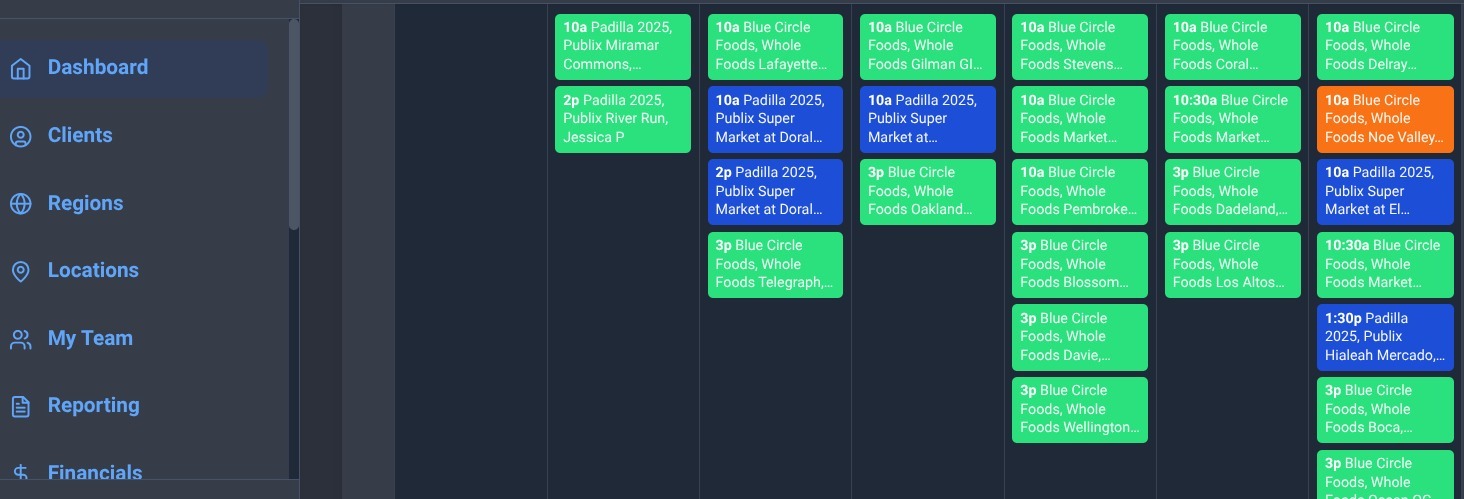
The features that separate a real demo coordination platform from a generic calendar tool are real-time assignment logic, proof-of-execution capture, and compliance tracking built around retail conditions. Any this method should weigh these mechanics before it weighs price.
Real-time scheduling matches available ambassadors to open store slots based on three variables at once: location proximity, certification (has this person been trained on this product line), and actual availability. A spreadsheet can track one of those variables reasonably well. It breaks down fast once a coordinator is juggling all three across more than a handful of weekly events, because every new booking or cancellation forces a manual re-check against every other row.
Proof-of-execution capture is the second pillar. Platforms built for retail activations log timestamped check-ins, require photo uploads of the demo table or display setup, and generate a digital confirmation record the moment an ambassador clocks in. That replaces the old method of calling stores to confirm a demo actually happened, a verification approach that doesn't scale past a few locations. Demo Wizard builds this directly into its scheduling workflow, so a coordinator managing hundreds of monthly events across multiple states can confirm execution without placing a single phone call.
Compliance management means the platform, not the coordinator, tracks retailer-specific rules: setup requirements, certificate-of-insurance documentation, approved store hours, and aisle or endcap restrictions that vary by chain. Without this built in, a coordinator ends up manually cross-referencing each retailer's policy sheet before every single event, which is exactly the administrative drag that limits how many activations one person can run [1].
Automated confirmation workflows address the day-of risk directly. The system prompts ambassadors ahead of their shift, and if someone fails to confirm, it flags the gap early enough that a coordinator can find a replacement instead of discovering a no-show when the store calls at 9 a.m. In-store demos that run as scheduled consistently outperform ones that get canceled or understaffed, since products featured in completed demos often sell markedly better than non-sampled items [2].
A single centralized calendar, visible to the brand, the agency, and the retailer, also matters more than it sounds. When each party keeps its own schedule, double-booking and miscommunication follow naturally. One shared view eliminates the back-and-forth confirmation emails that used to be the only way to keep everyone aligned [3].
Platforms differ most in how they isolate incremental sales lift from a demo window and how transparently they explain that calculation to brand managers. The honest answer in any this strategy is that measurement quality varies more than feature lists suggest.
The core mechanism behind credible ROI tracking is store-level units-sold data pulled during and immediately after a demo window, compared against a baseline period for that same store. That comparison isolates the lift attributable to the activation rather than crediting the demo for sales that would have happened anyway. Demo Wizard builds its analytics around this logic, tying experience-to-purchase conversion to specific stores and time periods so a brand manager can see which activations actually moved product, not just which ones took place.
Two metrics matter more than any others: cost per acquisition and demo-to-purchase conversion. Cost per acquisition comes from dividing total activation spend, ambassador pay, product cost, travel, by the incremental units sold or new buyers generated during the measurement window. Demo-to-purchase conversion is typically captured through ambassador-reported interactions logged at the point of contact, then reconciled against register data where retailers share it.
Retail and in-store demo programs can produce sales that run well above non-sampled baselines when execution is strong [2], which is exactly why isolating true incremental lift, rather than just counting samples handed out, matters for anyone comparing platforms on pricing and coordination capability.
Ask any vendor for the methodology behind their conversion numbers before trusting a headline percentage. Calculation methods vary significantly: some platforms count any purchase in the store that day as attributable, others require a direct ambassador-logged interaction, and others blend both. Request a sample report and ask what happens when a retailer won't share POS data, does the platform fall back to ambassador estimates, or does it simply stop measuring?
Real-time dashboards matter operationally, not just for reporting polish. A brand manager who can see a store underperforming mid-campaign can reallocate that slot to a higher-traffic location before the budget is spent, instead of learning about the shortfall in a post-campaign PDF two weeks later.
Finally, separate vanity metrics from performance metrics. Demos completed and samples distributed describe activity. Incremental units sold, cost per acquisition, and conversion rate describe results, and only the second set should drive renewal or budget decisions.
Match the platform to your activation volume, retailer mix, and reporting demands first, then compare pricing, buying depth you don't need wastes budget, and buying too little creates the same spreadsheet chaos you were trying to escape.
Scale is the first filter, and it changes the answer completely. A brand running a handful of regional roadshows per quarter can often survive on manual coordination a bit longer than a brand booking ambassador shifts across hundreds of doors every week. Once you cross into weekly multi-state scheduling, the hours spent reconciling texts and spreadsheets start costing more than a dedicated tool would.
Retail footprint diversity matters just as much as volume. A brand selling through club stores, regional grocery chains, and independent natural food retailers is juggling three different sets of rules, some retailers mandate exclusive in-house agencies, others charge a slotting fee and let you staff your own team, and independents often require nothing beyond a scheduling courtesy call. Any this approach needs to account for this variation, because a platform that only handles one retailer type will force you back into manual workarounds the moment your footprint expands.
Activation frequency also shapes which features actually matter. Brands running occasional events care most about simple scheduling and basic reporting. Brands running continuous programs need ambassador management, payroll processing, and store-level performance data working together, which is the combination platforms like Demo Wizard are built around, letting one coordinator manage hundreds of monthly events without adding headcount.
A product demo tells you more when you ask pointed operational questions instead of watching a feature tour. Ask these directly:
These questions expose whether a vendor was built for your scale or a different one entirely.
Roadshow-style activations make the case plainly. A dedicated footprint, a compressed timeline of three to ten days, and inventory that can't run out mid-Saturday all demand coordination that a shared spreadsheet simply cannot track in real time.
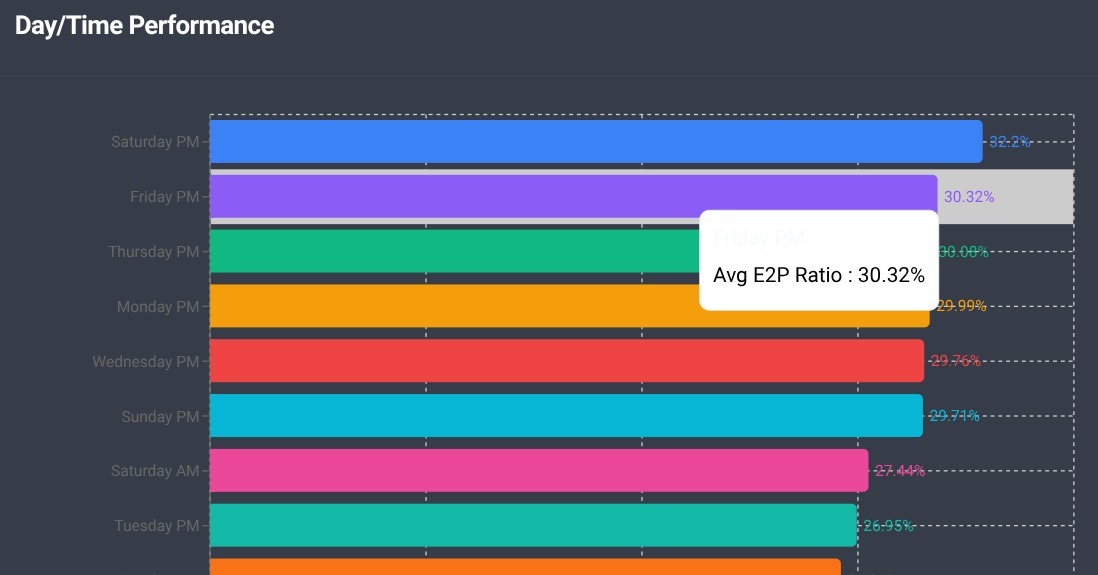
No, the two overlap but serve different purposes. Field marketing software typically covers a broader range of tasks, such as managing outside sales reps, route planning, and store visit logging [4], while in-store demo coordination software like Demo Wizard focuses specifically on scheduling demo events, assigning brand ambassadors, and tracking experience-to-purchase conversion for sampling campaigns.
Yes, that is the specific gap platforms like Demo Wizard are built to close. By automating scheduling, ambassador assignment, and payroll across many stores at once, a single coordinator can manage hundreds of monthly demo events without adding headcount.
Most mid-market CPG brands can roll out a demo coordination platform across dozens of doors within a few weeks. Timelines depend on how many store locations, ambassadors, and retail partners need onboarding, and whether the brand is replacing spreadsheets or a legacy scheduling tool rather than starting from scratch.
Not exactly, the coordination needs differ by retail format. Club stores and big-box chains often mandate exclusive agency partners and strict compliance tracking, while independent and natural grocers tend to waive fees and give brands more scheduling flexibility. A coordination platform still helps both, but independents generally need less compliance rigidity and more flexibility in ambassador scheduling and store-level communication.
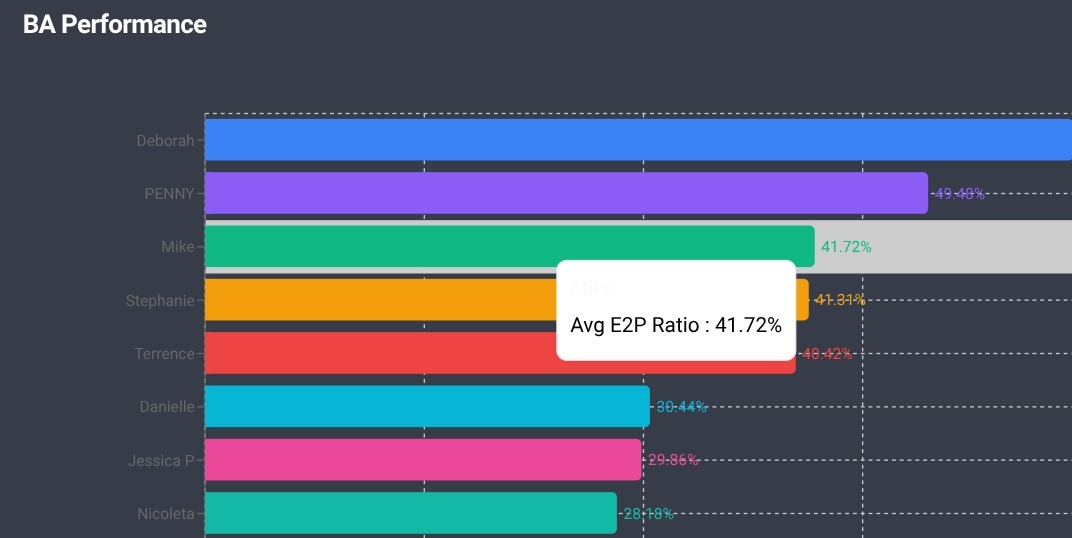
Choosing a field marketing or demo coordination platform comes down to three questions: does the pricing model scale with your event volume instead of punishing growth, does the feature set cover scheduling, ambassador management, and ROI analytics in one place, and can one coordinator realistically run the program without added hires? Per-demo pricing, like Demo Wizard's $3-per-demo model with no per-user or per-location caps, directly answers the first question for brands running high-volume sampling and roadshow programs. Before signing a contract, map your actual monthly demo volume across every retail door and price out each candidate platform against that real number, not a vendor's sample scenario.
Explore more from our content library:
About the Author
Written by the SaaS / Retail Marketing Technology experts at Demo Wizard. Our team brings years of hands-on experience helping businesses with SaaS / Retail Marketing Technology, delivering practical guidance grounded in real-world results.
Demo Wizard is the Ultimate Store Sampling & Demonstration management software for Brick and Mortar Retailers and CPG Vendors.
Chat with usPhone